Adapted from an article originally published on November 10, 2022 in the Santa Clara Business Law Chronicle.
Section 230 has played a major role in shaping the way the Internet has grown and developed into what it is today, and overturning the statute would cause major changes in how we navigate the online world. Many of today’s most popular platforms rely on Section 230 to function, and would likely have to shut down or make drastic changes to how they operate in order to stay up.
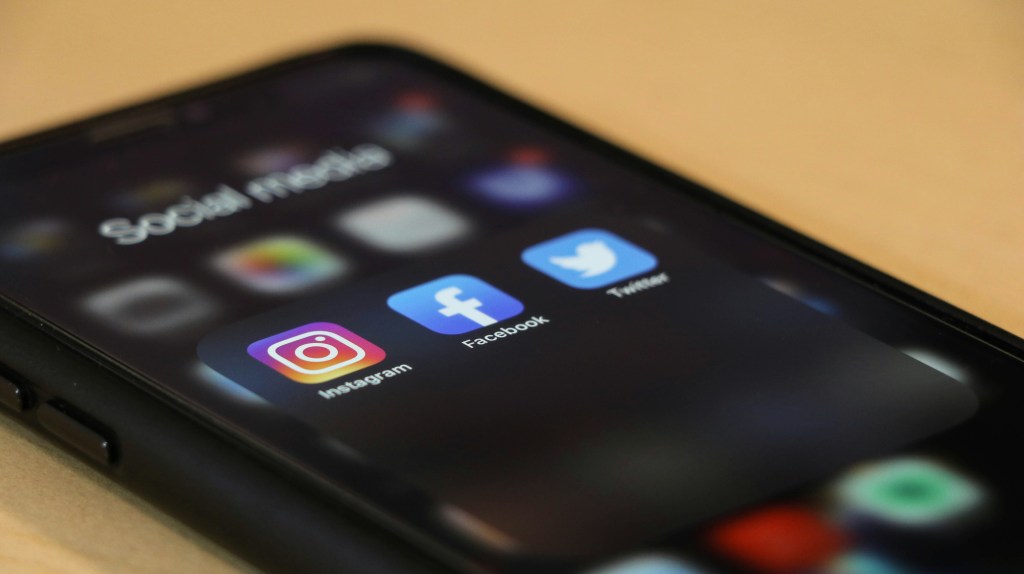
Under Section 230, content-hosting platforms like YouTube, Instagram, and TikTok don’t have to face liability for content that is posted on their sites. Instead, the content creators are liable for their own content. This burden-shifting tends to upset critics of Section 230 that want to repeal the law because it means it makes it extremely difficult to go after the platform in the event of damages. However, without Section 230’s liability shield, these platforms would have a much more difficult time functioning, and new platforms would face insurmountable obstacles to launch.
For existing platforms, repealing Section 230 would mean that the platforms themselves would be responsible for all of the content they host. For context, YouTube has about 700,000 hours of video uploaded to the platform every day. That is an impossibly large amount of content even for a company as large as YouTube to sift through every day. If platforms like YouTube were made liable for the content that they host, YouTube, and other large social media companies like it, would have to find a way to go through all of that content before it is actually made public to ensure that none of it could cause legal issues for them. Any attempt to do so would have to mean large delays in content being made public, and likely some form of limitation on who can be a user. In order to support the cost of content moderation that strict, platforms would likely have to become paid subscription services instead of the open platforms they are today. The beauty of our current social media platforms is that everyone is able to join in as long as they have an internet connection. It allows people to speak freely and connect with others in ways that are just not offered outside of the internet. Charging for access to these platforms will hurt the voices of the vulnerable people who would not be able to afford the subscription fees.
Additionally, repealing Section 230 would make it nearly impossible for new social media platforms to be made. If Section 230 is repealed, the content moderation burden placed on social media platforms would be so immense that even tech giants like Google or Meta would struggle to keep up and be forced to make major changes. Under this burden, new social media platforms barely stand a chance. At startups, resources are almost always slim. New social media platforms in a post-230 world would simply not have the resources to get a compliant content moderation process off the ground, and new platforms would be prevented from even forming due to the massive hurdles to become profitable. If critics dislike Section 230 because they dislike large tech companies, a world without it would only solidify their hold on the market by being the only entities with the resources to possibly stay afloat.
While Section 230 might not be a perfect solution, it fosters innovation and allows the Internet to be a place where people can share their knowledge and experiences, and still holds platforms liable for their own actions. Without it, the Internet would be a very different place.

 AllThisTech
Leave a comment